
The Hunt
guns and blood

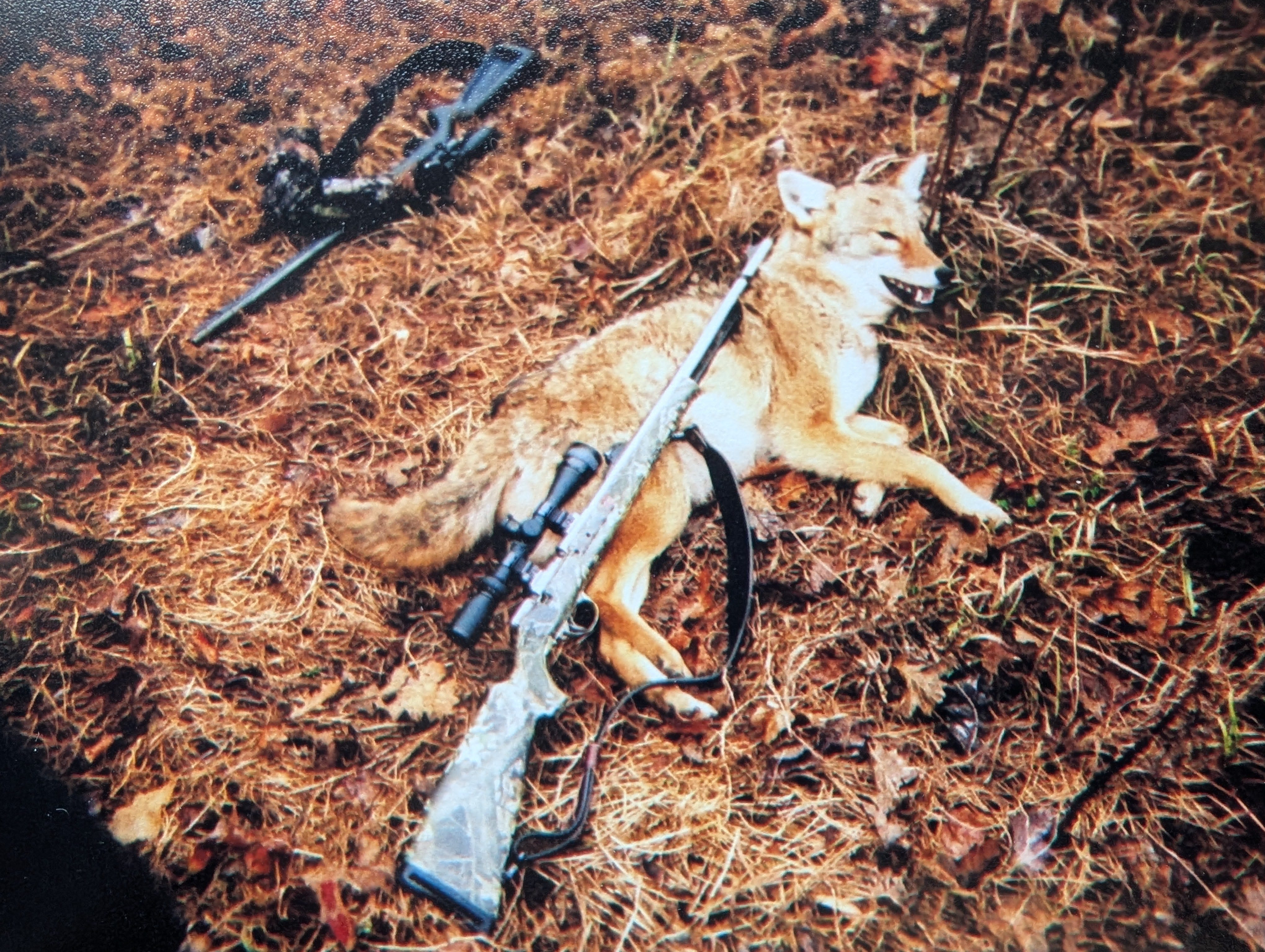
I can appreciate that for some, the hunt would be an unfamiliar topic. One is either raised by wolves or not; it’s something that gets passed down generation by generation, much like your grandmother’s shotgun you’ve been coveting since you were knee high to your uncle.
It’s difficult to grow up watching old westerns and not have a hankering deep down inside your belly to go ahead and pick up the rifle and wander out the door and over the hill, looking for who knows what.
Certain things come without saying when raised in the heart of the Midwest; the hunt is one of those. It’s not something you really think about; it’s just part of the change in seasons, when the leaves start to change in the fall, and that cold air meets you in the morning, it’s time to dig through that box of shells that’s older than you. It’s a family afair.
A father, uncle, brother, or cousin teaches you important lessons, hands over that first gun, shows you how to read tracks in the snow, which treelines hold the pheasants, and the patch of woods that holds the deer. I still remember the first time I was handed a cigar and a bolt-action .410 behind the red barn at Grandma’s place. What a day.
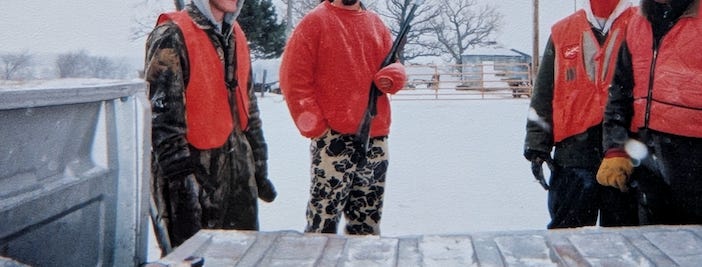
I’d watched, since as early as I can remember, the men gather up in their bright orange attire, shotguns slung over arms and shoulders, as close to people heading off to war as a young boy could imagine. Those shotguns were worn and rusted, with old wood stocks scratched and full of a lifetime of divots. Oh, how a young boy could covet.
The hunt is ritualistic; it starts long before your feet crunch the snow on a cold, dark morning. It involved preparation, gathering, talking, planning, a drive somewhere the night before, and staying up too late.
It’s hard to forget the jitters of the first morning of deer season, a pack of trucks and cars wound tightly together inside the gate of an 80-acre tract of woods. Not just any woods, thick woods. The inevitable shuffle and banter of deciding who to post where, who gets to walk what line, a sort of jostle and social dance that spelled out clearly your rank in the pecking order.
Every snap of a twig, rustle of leaves … your senses on high alert, waiting for that unmistackable crack of the first shot, a slight bowing of the head and a twitch, a slient prayer that the slug was headed somewhere besides toward you.
The entryway to Grandma’s house was through an A-frame style awning. Upon entering, immediately to the left was a double-door closet packed with 80 years' worth of junk, or treasure, depending on your age and bent. There was an old cardboard box, probably once used to hold apples, that held the detritus of decades of hunting forays.
One would reach in, grab a few shells, sift and examine with a sharp eye, discard the rusted and incorrect calibers and sizes, and put them back into that cardboard coffin where they would probably lie till the end of all things.
After years of doing this, one could simply tell the gauge of a shotgun shell by feel alone, .410, the odd 20 gauge that tried to slip past your notice, and that perfect size of the 12 gauge, that slayer of pheasants.
Of course, as a young boy, being relegated to the .410, because of the size and weight of both the gun and myself, I would become the bane of rabbits, squirrels, and the odd pheasant that was unwise enough to stick its head out from behind the osage orange bushes on the treeline. If you come from hunting stock, you will know that a well-aimed .410 is about as accurate as they come.
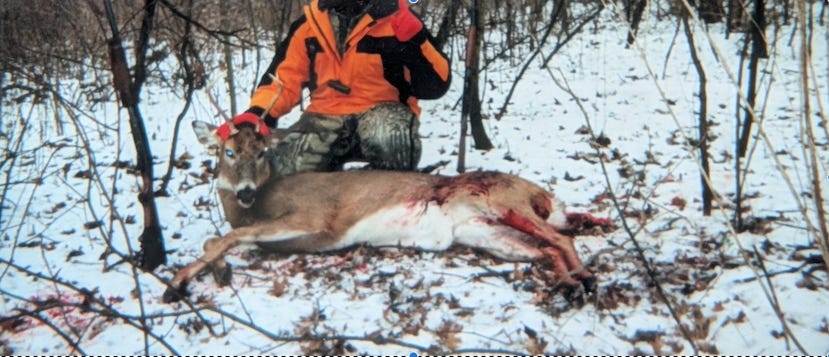
As one ages into full boyhood and then teenage years, the hunt becomes something more. More ritualistic, more serious, more fun, more wide-ranging, more all-consuming. It is really a way of life, an identity.
It connects you to friends and family in a way not possible with other methods.
To spill blood is sacred.
The hunt binds friends together into something deeper, brotherhood. It’s in the undercurrent of a culture, of a whole generation of folk being raised to know the difference between right and wrong. It’s about respect, adventure, and the case; telling the story of the hunt later is almost better than the real thing.
When I walked down that treeline next to Grandma’s over a well-beaten path taken by the coyotes, across the field, and past the next farm over, you could be certain just about the exact spot a pheasant would take flight; you learn to read such things. Sometimes you would get surprised by a bird that was apparently new to the county, and wound up in the wrong spot.
Over the crest of the hill was a rectangular tract of woods planted in the middle of the field, almost hidden from any visible sign of a road. Probably as close to Sherwood forest as you could get, big enough to keep a handful of deer happy under the tall pines.
I could still walk that path a thousand times with my eyes closed.
There is something about the hunt that takes you away to another time, long ago, you imagine your ancestors did this walk with a gun in their hand, except if they failed, people would go hungry.
It isn’t just about the hunt; it’s about all the things that surround the hunt. The weapons passed down through generations. The bond with family and friends. Observing nature in the raw and the lives and patterns of animals, great and small. Braving bitter cold, wind, snow, and hardship, not because you have to, but because you want to. The work you have to put in rarely comes easily.
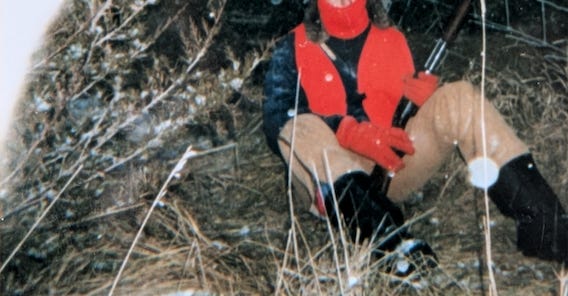
One who is stuck in a digital world would be surprised by the lessons learned and the connection to something real gained in a hunt. Who simply walks in the woods today? A few. Who walks through the woods with a gun in their hand today? Even fewer.
Life is dirty and messy, so is the hunt. It’s raw, real, and truly unique. Something that can’t be experienced any other way. It’s a way of life, a culture, a people, it shapes your worldview.
Much gratitude to the People who provide & make possible the learning & growing experiences we have!